

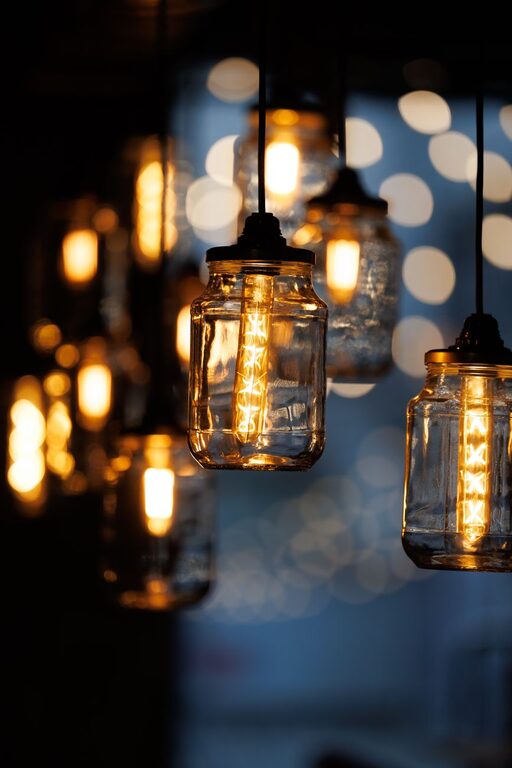
Creating a comfortable and inviting atmosphere in your home begins with the right lighting. Good lighting not only brightens your space but also influences your mood, productivity, and overall comfort. Choosing the right type of lighting can seem overwhelming with so many options available, but understanding a few key principles can help you make smart choices for every room. This guide will walk you through essential tips for selecting comfortable home lighting that suits your style and needs.
Why Comfortable Lighting Matters
Before diving into specific tips, it’s important to understand why comfortable lighting makes a difference. Harsh, overly bright lights can cause eye strain and fatigue, while dim or poorly placed lighting can make spaces feel gloomy and uninviting. Comfortable lighting balances brightness and warmth, enhances the room’s function, and complements your décor.
1. Consider Different Types of Lighting
A well-lit home typically includes three layers of lighting: ambient, task, and accent. Combining these layers creates a balanced and flexible environment.
Ambient Lighting
This is the main source of light in a room, providing general illumination. Ceiling-mounted fixtures, such as chandeliers, recessed lights, or flush mounts, often serve this purpose. Choose lighting that spreads evenly to avoid dark spots.
Task Lighting
Focused lighting is essential for activities like reading, cooking, or working. Desk lamps, under-cabinet kitchen lights, or adjustable floor lamps offer bright, direct light to reduce eye strain during specific tasks.
Accent Lighting
Accent lights add depth and highlight features like artwork, plants, or architectural details. Use wall sconces, spotlights, or LED strips to create visual interest and a cozy atmosphere.
2. Choose the Right Light Bulbs
The bulb you choose significantly impacts the color and quality of light.
Color Temperature
Measured in Kelvins (K), color temperature ranges from warm to cool:
– Warm white (2700K-3000K) creates a cozy, inviting feel, ideal for living rooms and bedrooms.
– Neutral white (3500K-4100K) suits kitchens and bathrooms where clear visibility is important.
– Cool white or daylight (5000K-6500K) mimics daylight and is best for workspaces or reading areas.
Brightness
Brightness is measured in lumens. For a comfortable home environment, avoid bulbs that are too bright or too dim; aim for adjustable lighting when possible.
Energy Efficiency
LED bulbs are a popular choice since they use less power and last longer than traditional incandescent bulbs, helping you save on energy bills.
3. Opt for Adjustable Lighting
Having control over your lighting is key to comfort. Dimmer switches allow you to adjust the brightness depending on the time of day or activity, helping create a soothing ambiance or bright environment as needed.
Smart lighting systems are another option, letting you control lights via apps or voice commands. Some smart bulbs even change color temperature, enhancing comfort throughout the day.
4. Pay Attention to Placement
Where you place your lights affects how comfortable the lighting feels.
– Avoid placing lights directly overhead in seating areas to reduce glare.
– Use floor or table lamps beside chairs to provide cozy task lighting.
– Position accent lights to highlight focal points without causing harsh contrasts.
Experiment with layouts before finalizing your lighting plan.
5. Use Lampshades and Diffusers
Lampshades soften and spread light, preventing harsh shadows and reducing glare. Choose shades made of materials that complement your décor and gently diffuse light. Frosted glass covers and diffusers also help distribute light evenly.
6. Match Lighting to Room Purpose
Each room has different lighting needs based on its function.
– Living Room: Layer ambient light with accent lights and task lamps. Warm light encourages relaxation.
– Kitchen: Bright, neutral lighting is ideal for preparing food safely. Use under-cabinet lights to illuminate countertops.
– Bedroom: Soft, warm lighting promotes restful sleep. Use dimmable bedside lamps for reading.
– Bathroom: Bright, cool lighting around mirrors improves visibility, but avoid harsh overhead lights.
– Home Office: Cool or neutral light boosts concentration and reduces eye strain during work.
7. Consider Natural Light
Maximize natural light during the day to enhance comfort and reduce energy use. Use sheer curtains to diffuse sunlight and position mirrors to reflect light into darker corners.
8. Test Before You Commit
Whenever possible, try different bulbs and fixture types in your space. Temporary setups or showrooms let you see how lighting impacts your room’s feel before making a long-term investment.
Conclusion
Choosing comfortable home lighting is about striking the right balance between function, style, and ambiance. By layering ambient, task, and accent lighting, selecting appropriate bulbs, and controlling brightness, you can create inviting spaces that make your home feel cozy and welcoming. Remember to consider the unique needs of each room and don’t hesitate to experiment – good lighting transforms not just rooms, but how you experience them every day.